

The Power of Modesty in the Modern Muslimah Wardrobe
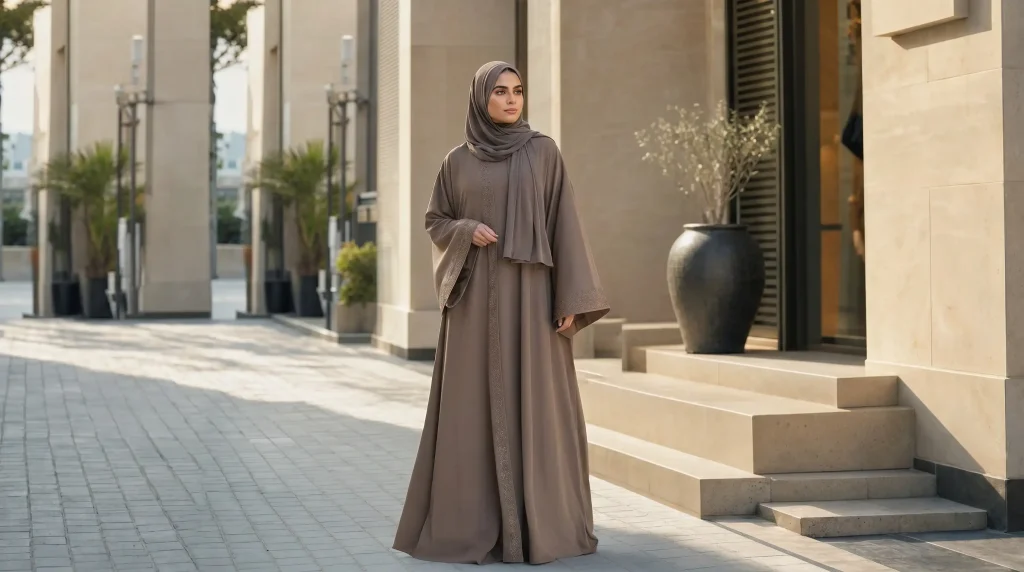
In a world saturated with fast trends and ever-shifting beauty standards, the Muslim woman who embraces modest fashion is making a powerful, conscious statement. At Abayas Boutique, modesty is not simply a dress code—it is a lifestyle rooted in dignity, intention, and self-respect.
Modesty as Freedom, Not Limitation
Contrary to common misconceptions, observing the hijab is not a restriction—it is liberation. Dressing modestly allows a woman to reclaim ownership over how she is perceived. Rather than being defined by physical appearance, she is recognised for her intellect, character, and presence.
The hijab removes the pressure to conform to unrealistic ideals. It creates space for authenticity. In choosing modesty, a woman defines her worth on her own terms—not through the lens of societal expectation, but through inner confidence and faith.
A Statement of Respect and Identity
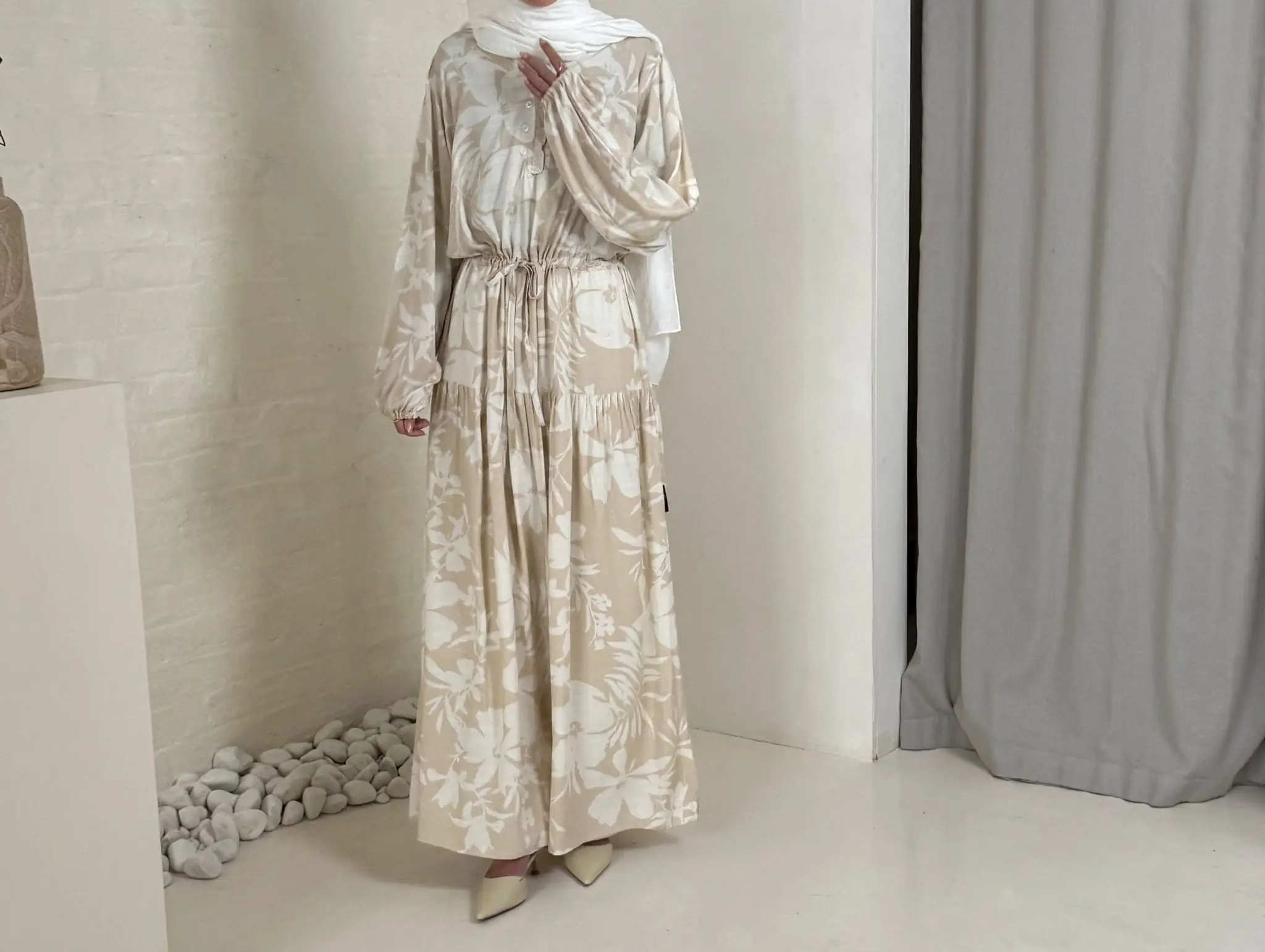
Modest dressing commands a quiet yet powerful respect. It signals self-awareness, discipline, and a clear sense of identity. The flowing silhouettes of abayas, jilbabs, and kimonos are not just garments—they are reflections of grace and intentional living.
At Abayas Boutique, each piece is designed to embody elegance without compromise—proving that modesty and fashion are not mutually exclusive.
Quranic Foundations of Modesty
The concept of modesty in Islam is not cultural—it is divinely guided. The Qur’an outlines clear principles that emphasise dignity, protection, and purity for both men and women.
“And tell the believing women to lower their gaze and guard their chastity, and not to display their beauty except what is apparent, and to draw their veils over their chests.”
Surah An-Nur 24:31
This verse establishes modesty as both an inward and outward practice—encompassing behaviour, intention, and dress.
“O Prophet, tell your wives and your daughters and the women of the believers to bring down over themselves [part] of their outer garments. That is more suitable that they will be known and not be harmed.”
Surah Al-Ahzab 33:59
Here, modest dress is directly linked with dignity, recognition, and protection—highlighting wisdom beyond aesthetics.
“And tell the believing men to lower their gaze and guard their chastity.”
Surah An-Nur 24:30
Importantly, modesty is a shared responsibility. Islam establishes a balanced framework where both men and women uphold respectful conduct within society.
Safety and Control in Self-Presentation
For many women, modest fashion provides a sense of security and control. It shifts focus away from physical exposure and reduces unwanted attention, allowing women to navigate public and professional spaces with confidence.
This sense of safety is not about hiding—it’s about choosing how much to reveal, and to whom. It is autonomy in its purest form.
A Conscious Rejection of Objectification
In a culture that often equates value with visibility, modest fashion stands as a form of resistance. Many Muslim women consciously choose to disengage from systems that promote the objectification of the female body.
By observing hijab, they reject the narrative that worth is tied to appearance. Instead, they align with values of modesty, spirituality, and self-respect.
Choice at the Heart of It All
For millions of women, wearing the hijab is a deeply personal and empowered choice. It reflects faith, identity, and a commitment to a way of life that prioritises inner beauty over external validation.
At Abayas Boutique, this choice is honoured. Each design supports women on their journey—whether they are new to modest fashion or have embraced it for years.
Redefining Beauty on Your Own Terms
True beauty is not dictated by trends—it is defined by authenticity. The modern Muslimah is rewriting the narrative, proving that modesty is not only timeless but transformative.
Abayas Boutique invites you to embrace modesty with confidence—where faith meets fashion, and every garment reflects dignity, purpose, and choice.
FAQs
1. What does modest fashion mean in Islam?
Modest fashion in Islam means dressing with dignity, respect, and intention. It is not only about clothing, but also about behaviour, confidence, and how a Muslim woman chooses to present herself.
2. Is wearing the hijab a personal choice?
Yes, for many Muslim women, wearing the hijab is a deeply personal choice connected to faith, identity, modesty, and self-respect. It allows them to define beauty and confidence on their own terms.
3. Can modest clothing still be stylish?
Yes, modest clothing can be elegant, modern, and stylish. Abayas, jilbabs, kimonos, and hijabs can offer graceful silhouettes while still maintaining modesty and comfort.
4. Why is modesty important in a Muslimah wardrobe?
Modesty is important because it reflects dignity, faith, and personal values. A Muslimah wardrobe is built around clothing that supports confidence, comfort, and respectful self-presentation.
5. What are the best modest wardrobe pieces for Muslim women?
Some essential modest wardrobe pieces include abayas, jilbabs, hijabs, kimonos, maxi dresses, and loose-fitting everyday outfits. These pieces help create a practical, elegant, and faith-conscious wardrobe.



Latest Posts
In a world saturated with fast trends and ever-shifting beauty standards, the Muslim ...

There are moments in fashion when a brand doesn’t simply evolve — it ...

Routine, intention, and the art of living with purpose. In an age of ...
There’s a certain energy that arrives with spring—lighter days, softer palettes, and a ...