


Inside the World of the Abaya — With Abayas Boutique
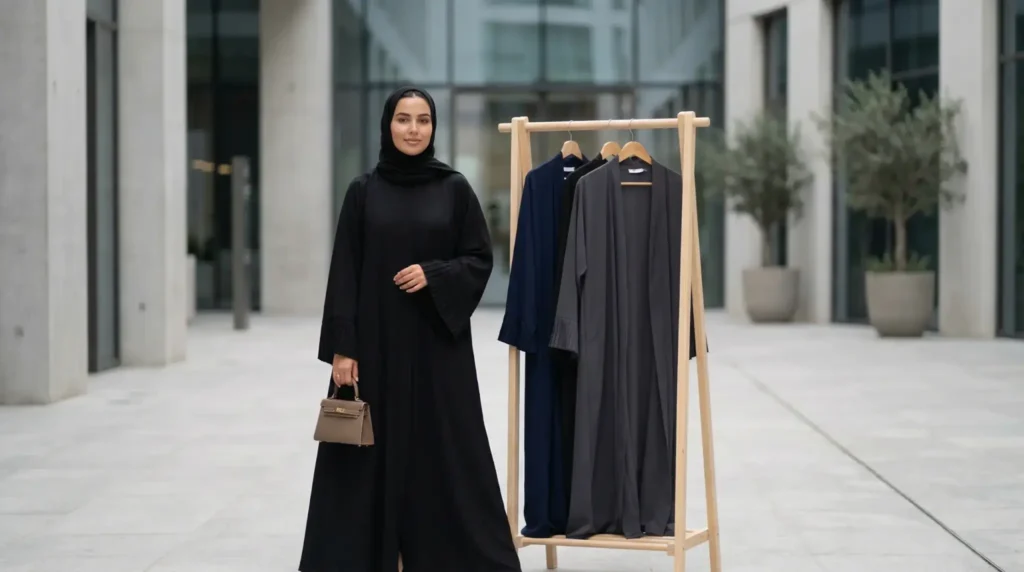
If you’ve ever slipped on an abaya and felt instantly “put together,” you already understand why this garment lasts. It’s not just about modesty. It’s about ease. Confidence. The way it moves with you when you’re heading out, running errands, meeting family, or getting ready for a special night.
At Abayas Boutique, we think of the abaya as something personal. You don’t wear it “to follow rules.” You wear it because it fits your life, your values, and your style.
This guide is for anyone who’s ever wondered: What is an abaya really? Where did it come from? And how do I pick the right one for me?
What Is an Abaya?
An abaya is a long outer garment designed for modest coverage. Traditionally it’s loose and flowing, which is exactly why it feels so comfortable. It doesn’t cling. It doesn’t restrict. It lets you move freely while still looking neat.
People often picture the classic black abaya (and yes, black will always be iconic). But today, abayas also come in soft neutrals, muted colours, and different cuts — open styles, closed styles, minimal designs, and more tailored looks.
So when someone asks “what is an abaya?” the easiest answer is:
It’s a modest layer you can build your whole look around — and still feel like yourself.
A Quick Look at the Abaya’s Roots
Long before abayas became part of modern fashion, they were practical. In hot climates, loose clothing makes sense. It protects from sun and dust and gives comfort throughout the day.
Over time, the abaya became something more meaningful. In many parts of the Arab world, it became tied to culture and identity. It carried a certain calmness — a kind of dignity that doesn’t need attention to feel strong.
And it kept changing. Different regions, fabrics, and generations shaped it. That’s why you’ll see so many styles today. The abaya stayed rooted, but it never stayed stuck.
The Abaya Today: Modern Modest Fashion
Now the abaya sits right in the middle of modern modest fashion. And it’s not hard to see why.
A good abaya can do a lot:
- It works on days you want something effortless.
- It looks elegant without heavy styling.
- It can be dressed down with flats or dressed up with a bag and jewellery.
Some women love clean, minimal abayas for daily wear. Others prefer statement pieces for events. Either way, the point is the same: modest doesn’t mean “plain,” and it definitely doesn’t mean “outdated.”
Abaya vs Other Modest Clothing
People mix these up, so here’s a clear breakdown:
Abaya vs Hijab
A hijab covers the hair and neck. An abaya covers the body as an outer layer. Many women wear both together, but they’re not the same item.
Abaya vs Kaftan
Kaftans often lean more “occasion wear” and can be very decorative. Abayas are usually more structured and made for everyday life too (even when they’re fancy).
Abaya vs Burqa
A burqa covers the face. An abaya generally does not. The abaya focuses on modest body coverage while keeping the face uncovered.
How to Choose the Right Abaya (Without Overthinking It)
The “perfect” abaya isn’t the most expensive one or the trendiest one. It’s the one you actually reach for again and again.
Here’s what matters most:
1) Fabric matters more than people think
If you live somewhere warm, you’ll feel the difference right away.
- Crepe and chiffon tend to feel lighter and flow nicely.
- Heavier or textured fabrics can feel more structured and are great when the weather is cooler (or when you want a richer look).
If you’re buying online, always check the fabric description first. It tells you how the abaya will sit on the body.
2) Choose a colour that fits your real wardrobe
Black is always safe — and always elegant.
But if most of your hijabs, bags, or shoes are neutral, then soft tones like beige, mocha, grey, or olive will blend beautifully too.
A good rule: pick something that matches the pieces you already own, not what looks “nice in theory.”
3) Think about where you’ll wear it
For daily wear, many women prefer:
- simple cuts
- minimal detailing
- easy sleeves
- comfortable movement
For events and evenings, you can go more elevated with:
- richer fabrics
- subtle embellishment
- more dramatic flow
And yes — accessories change everything. A plain abaya can look completely different with the right belt, bag, or shoes.
The Abaya, Curated by Abayas Boutique
We choose abayas the same way you do: by imagining real life.
Not just studio photos. Real days. A quick run out. A long day. A family dinner. A special night. A moment where you want to feel modest but still beautiful.
That’s why our collections focus on pieces that feel wearable, flattering, and timeless. Not overly busy. Not “trend for two weeks” styles. Just abayas that make sense — and still feel special.
Welcome to the world of the abaya — with Abayas Boutique.
FAQs:
1) What is an abaya?
An abaya is a long, modest outer garment designed to cover the body with a loose, elegant fit. It’s worn for comfort, modesty, and style—often layered over everyday outfits.
2) Do abayas have to be black?
No—black is traditional and timeless, but abayas also come in neutrals, pastels, and muted tones. Many women choose colours based on season, occasion, and personal style.
3) What’s the difference between an abaya and a kaftan?
An abaya is usually more structured and made for everyday modest wear. A kaftan is often more decorative and commonly worn for special occasions.
4) How do I choose the right abaya fabric?
For warm weather, go for lightweight fabrics like crepe or chiffon for breathability and flow. For cooler seasons or a richer look, choose textured or slightly heavier blends.
5) How should an abaya fit?
A good abaya should feel comfortable and modest—never tight, restrictive, or clingy. The best fit gives you easy movement while still looking clean and polished.
Latest Posts
Wearing a hijab daily can sometimes present unique hair care challenges. From reduced ...
As temperatures rise, the search for comfortable, breathable and stylish modest clothing becomes ...

What the Industry Doesn’t Talk About With the release of our beloved Pom ...

Finding an abaya that is both affordable and beautifully made can feel like ...