


Designer vs. Everyday Abayas: What’s Worth the Investment?
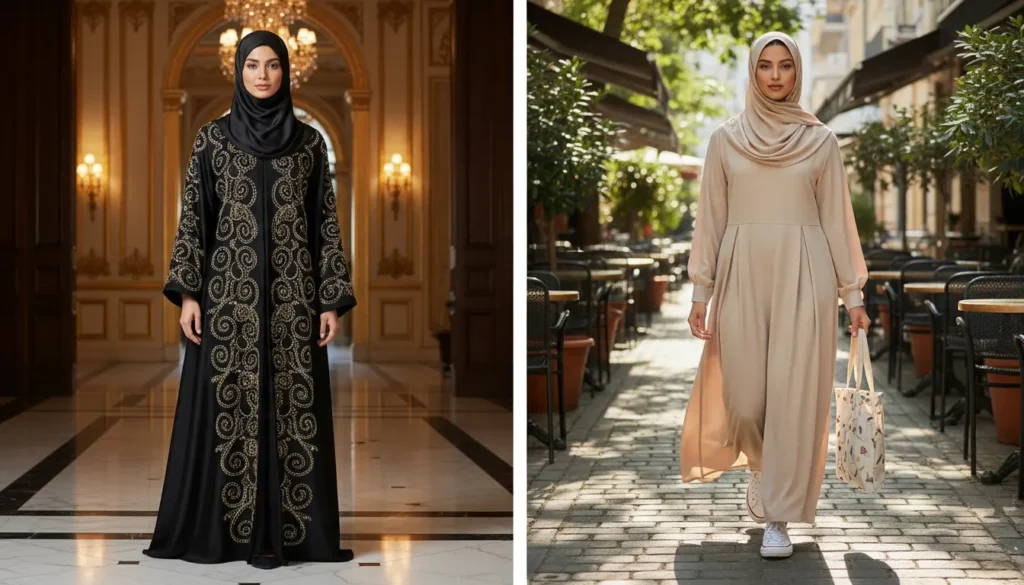
If you’re building a modest wardrobe that actually works day-to-day and holds up for years, you’ll eventually face the question: should I invest in a designer abaya, or buy more affordable everyday pieces? The right answer depends on how you wear your abayas—work, travel, prayer, weddings, or all of the above—and what you value most: craftsmanship and longevity, or rotation and versatility.
This guide breaks down the differences—fit, fabric, construction, styling mileage, maintenance costs—using cues from Abayas Boutique, a brand that designs and manufactures in-house and offers both practical everyday lines and elevated, design-led collections.
The Short Answer
- Everyday abayas are your reliable staples: easier to care for, more budget-friendly, and perfect for frequent wear, commuting, studies, or travel.
- Designer abayas are your long-horizon pieces: premium fabrics, refined tailoring, and signature details that elevate you at events (Eid, weddings), formal dinners, and important work moments—often lasting years when cared for properly.
If your budget allows, the smartest wardrobe blends both: 2–3 everyday workhorses + 1–2 designer “keepers” you can restyle across seasons.
What “Designer” Means in Abayas (and Why It Can Be Worth It)
Designer in the abaya world usually signals three things:
- Fabric quality & handle
You’ll often see silk, high-grade crepe, luxe nida, organza overlays, or wool-blend coatings in designer lines. These fabrics drape beautifully and read “polished” in photos and in person. - Cut, structure, and finish
Expect more complex pattern-cutting (cape styles, sculptural drape, butterfly cuts, double-layer designs) and more time spent on internals—clean seam finishes, better lining choices, and trims that sit correctly over time. - Longevity by design
Designer makers who also manufacture (not just white-label) tend to optimize for multi-season wear. They create timeless silhouettes and pieces made to last, not fast fashion.
When it’s worth it:
- You attend events, business meetings, or travel where polish matters.
- You want a few pieces you can restyle over many years.
- You notice the difference in drape, opacity, and movement—and that’s important to you.
What “Everyday” Means (and Why You Need These Too)
Everyday abayas are built for rotation and practicality: study, school runs, prayer, errands, office days, and travel. They favor easy-care fabrics (crepe/nida/jersey blends) that resist wrinkles, wash easily, and keep their shape even with frequent use.
They are designed with practicality and functionality in mind, offering comfortable fits that work across different body types and daily routines.
When they’re perfect:
- You need comfort, breathability, and reliable opacity on busy days.
- You prefer machine-washable fabrics that don’t demand steaming every wear.
- You want to mix colors/styles for content creation or change of mood without overspending.
Fabrics: The Big Decider (Feel, Opacity, Care)
Knowing your fabrics helps you buy smarter, regardless of price tier:
- Nida: Soft, smooth, and elegant flow; widely used for both premium and everyday abayas. Good coverage without heavy layering and relatively easy care.
- Crepe (incl. Korean crepe): Versatile, matte, drapey, typically more opaque and durable than chiffon.
- Silk / Satin / Organza overlays: Statement fabrics for designer/eventwear—beautiful sheen and movement, but often higher maintenance.
- Chiffon / Georgette (as outer layers): Used as overlays for depth and luxury; typically need thoughtful layering for opacity.
- Seasonal logic: cottons/viscose for hot summers; crepe as an all-rounder for transitional seasons; wool blends (or abaya coats) for colder months.
Fit & Construction: Why Tailoring Matters
Great design pairs with great fit. The best brands offer detailed size guides that align length to height and bust to width while offering Standard, Classic, and Oversized fits—and support custom tailoring because they produce in-house.
If you’re between sizes or need a length tweak (heels vs. flats), that tailoring safety net is gold for both designer and everyday purchases.
Tip: If you wear heels on event days, consider sizing up in length so the hem sits perfectly.
Price vs. Value: What Are You Paying For?
Browsing across online boutiques gives a real-world glimpse of price bands and how they map to design tiers. Everyday abayas generally range from affordable to mid-tier prices, while designer lines command a premium due to materials, design complexity, and craftsmanship.
What pushes prices up?
- Higher-grade or specialty fabrics (silk, wool-blend coats)
- Complex pattern cutting (cape layers, double drape, hand-worked details)
- In-house production with stricter quality control
- Limited-edition or seasonal capsules (Eid, bridal, autumn/winter edits)
Value test: If a designer abaya delivers years of wear (and still photographs beautifully), the cost-per-wear can beat multiple cheaper buys that fade, pill, or lose shape.
Styling Mileage: One Piece, Many Outfits
Designer pieces: (e.g., a silk cape abaya or a structured abaya coat) can anchor countless looks—day to evening, work to wedding—with simple swaps: belt/no belt, statement or minimal hijab, pumps vs. boots.
Everyday pieces: excel at repeat wear: neutral crepe/nida sets, open-front layers, or classic A-lines you can pair with different hijabs and accessories. Because they’re low-maintenance, you’ll actually reach for them (and that’s real value).
Care & Maintenance: Hidden Costs to Factor In
- Everyday fabrics (crepe/nida/jersey) generally resist wrinkles and are easier to wash and dry—great for students, professionals, and travelers.
- Designer/event fabrics (silk/satin/organza) often need steaming, gentle washing, or dry cleaning. The total cost of ownership includes time, care products, and storage (padded hangers, garment bags).
If you’re deciding between two pieces you love, ask: What will it take to keep this looking new for 2–3 years? If the answer is “not much,” that’s a quiet win—even at a mid-tier price.
Quick Compare: Designer vs. Everyday
| Factor | Everyday Abayas | Designer Abayas |
| Primary Use | Work, prayer, travel, daily rotation | Events, important work days, weddings, Eid |
| Fabrics | Crepe, nida, jersey; opaque & easy-care | Silk, premium crepe, organza overlays, wool-blend coats |
| Care | Low maintenance, wrinkle-resistant | Higher maintenance; careful pressing/steaming |
| Fit Options | Standard/Classic/Oversized; easy to size | Often more structured or specialty cuts |
| Longevity | Good if fabric is decent | Excellent if quality stitching & fabric; years of wear |
| Price | Lower to mid | Mid to premium |
| Best Buy If… | You need comfort, frequency, value | You want polish, drape, and long-term keepers |
How to Buy Smarter (Checklist)
- Map your week. Count occasions: everyday vs. “dress-up” scenarios.
- Pick fabrics to match life. Crepe or nida for rotation; silk/coat fabrics for events or winter.
- Check the brand’s make. Look for in-house design, ethical focus, and consistent quality control.
- Use the size system properly. Align height with length; confirm bust ease for modesty.
- Think cost-per-wear. A pricier designer cut you wear for 4+ years can be cheaper (per wear) than two cheaper pieces that tire out quickly.
- Plan care up front. If you won’t steam, skip high-maintenance fabrics.
- Build a capsule. Two everyday neutrals + one statement designer = maximum mileage.
When to Choose Each—Scenario Planner
- University/Work Commute Daily: Start with 2 crepe/nida everyday abayas (black + neutral) for rotation; add an open-front layer for change-ups.
- Corporate/Client-Facing: One designer abaya coat or a silk-accent piece gives instant polish over your base outfits.
- Weddings/Eid: A designer capsule (silk or layered cape style) photographs and wears beautifully; add a neutral everyday piece for travel/prayer.
- Frequent Traveler: Choose wrinkle-resistant, opaque everyday fabrics; pack one elevated piece for dinners or formal invites.
Why Abayas Boutique Works for Both Tiers
- Category breadth lets you buy on purpose: Open/Closed Abayas, Abaya Sets, Abaya Coats, Silk Abayas, Butterfly cuts, Capes, Slip Dresses, plus curated seasonal/occasion collections (Eid, Autumn/Winter, Bridal).
- In-house design & ethical craftsmanship ensure consistent quality and fit across both everyday and designer tiers.
- Size Guide clarity (Standard, Classic, Oversized) and custom tailoring options reduce buying risk online and increase the useful lifespan of each piece.
Bottom Line: Build a Two-Lane Wardrobe
If you’re shopping for Abayas Boutique, think in two lanes:
- Lane 1 — Everyday Essentials: crepe/nida staples in black and a neutral, plus maybe an open-front layer. Low care, high rotation.
- Lane 2 — Designer Keepers: one statement abaya (silk, cape, or coat) that anchors formal looks for years.
When you blend both, you’ll feel appropriately dressed for any moment—without overbuying or fighting with ironing boards. And that’s what a thoughtful modest wardrobe is all about: ease, elegance, and longevity.
FAQs:
1. What’s the main difference between designer and everyday abayas?
Designer abayas use premium fabrics and intricate tailoring, while everyday abayas focus on comfort, easy care, and affordability.
2. Are designer abayas worth it?
Yes, if you value longevity and elegance. A quality designer abaya can last for years and maintain its shape and finish.
3. How many abayas should I own?
Ideally, keep 2–3 everyday abayas for regular wear and 1–2 designer abayas for special occasions.
4. Which fabrics are best for daily wear?
Crepe and nida are top choices—they’re breathable, wrinkle-resistant, and easy to wash.
5. How do I make my abayas last longer?
Follow care labels, wash gently, and store properly on hangers or in garment bags to keep them looking new.
Latest Posts
Wearing a hijab daily can sometimes present unique hair care challenges. From reduced ...
As temperatures rise, the search for comfortable, breathable and stylish modest clothing becomes ...

What the Industry Doesn’t Talk About With the release of our beloved Pom ...

Finding an abaya that is both affordable and beautifully made can feel like ...