


Origin of Abayas: From Ancient Heritage to Modern Elegance
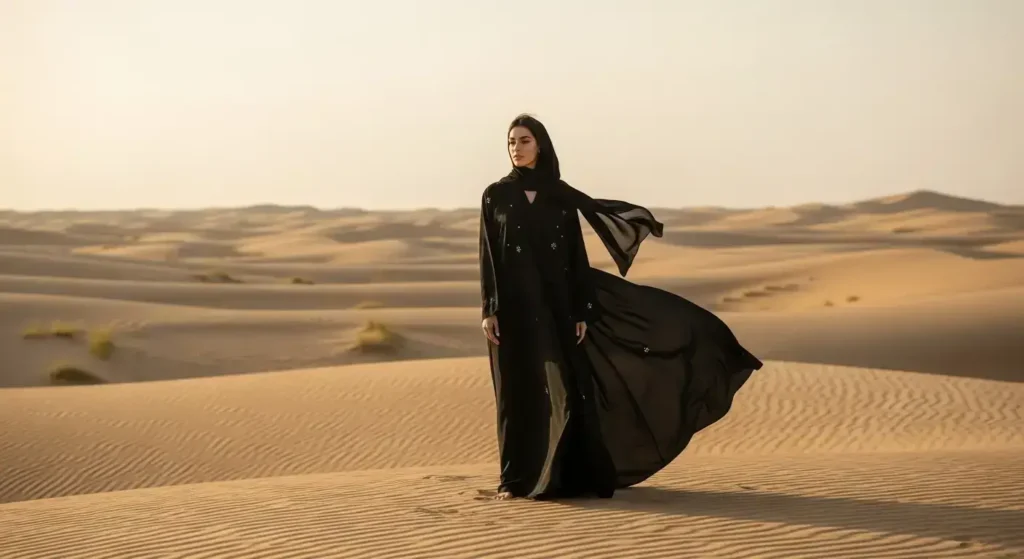
Few garments capture the essence of modesty, tradition, and sophistication as beautifully as the abaya.
Worn by women across the Middle East and beyond, the abaya is not just a piece of clothing — it’s a cultural legacy that has evolved through centuries.
At Abayas Boutique, this legacy inspires every design — bringing history, elegance, and modernity together in one seamless expression of modest fashion.
1. The Ancient Origins of the Abaya
The abaya’s story begins long before the rise of Islam. In ancient Mesopotamia and pre-Islamic Arabia, women wore long, loose cloaks to protect themselves from the harsh desert environment.
These garments symbolized status, dignity, and respect, especially among noble families. Over time, this simple protective cloak became a cultural standard, reflecting values of grace and modesty that transcended centuries.
2. The Abaya in Early Islamic Culture
When Islam emerged in the 7th century CE, modesty became a core principle of dress and conduct.
The Qur’an encouraged both men and women to dress with dignity and modesty.
Women in the Arabian Peninsula began wearing outer garments known as jalabib — loose cloaks mentioned in Surah Al-Ahzab (33:59). This style gradually evolved into what we now know as the abaya, a garment that covered the body while maintaining comfort and elegance.
The abaya became a symbol of cultural identity, especially in Mecca, Medina, and the wider Gulf region, where it remains deeply rooted in tradition today.
3. The Abaya Through the Ages
Over the centuries, the abaya has undergone a remarkable transformation:
Medieval Period
Black abayas became popular during the Abbasid era (8th–13th centuries), symbolizing prestige and refinement.
Ottoman Era
New fabrics like silk and satin introduced luxury and variety to women’s outerwear.
Modernization (20th Century)
The abaya began to merge tradition with modern design. In Gulf countries, it became both a cultural emblem and a fashion statement.
4. The Modern Abaya: Where Tradition Meets Fashion
Today, the abaya has become an international style icon — blending cultural heritage with modern aesthetics.
Designers have reimagined it with flowing silhouettes, pastel shades, embroidery, lace, and minimalist cuts — allowing women to express individuality while embracing modesty.
At Abayas Boutique, every piece reflects this balance — authentic heritage, premium fabrics, and modern sophistication.
Whether for daily wear, events, or special occasions, their collections celebrate the abaya’s timeless journey from ancient Arabia to today’s global fashion scene.
5. The Abaya’s Enduring Legacy
The abaya remains more than a garment — it’s a living story of faith, culture, and empowerment.
It represents how women have redefined elegance through modesty — and how tradition continues to inspire modern design.
At Abayas Boutique, this legacy lives on. Each design honors the past while embracing the future — allowing every woman to wear her identity, confidence, and culture with pride.
Conclusion
From the sands of ancient Arabia to the runways of modern fashion, the abaya’s evolution tells a story of grace, strength, and timeless beauty.
Rooted in heritage yet reinvented for today’s woman, it continues to shine as a symbol of modesty and modern empowerment.
Discover this legacy for yourself — explore the latest collection of modern abayas at Abayas Boutique and experience the perfect harmony of tradition and style.
FAQs:
1. Where did the abaya originate?
The abaya originated in ancient Arabia as a long, flowing cloak symbolizing modesty and dignity.
Over time, it became an essential part of Middle Eastern cultural heritage.
2. What’s the difference between an abaya and a jilbab?
An abaya is a traditional outer cloak popular in the Gulf region, while a jilbab is more common in South Asia and North Africa.
Both serve the same purpose — modesty with grace.
3. Why are abayas usually black?
Black gained popularity during the Abbasid era as a symbol of elegance and refinement.
Today, designers experiment with many colors while keeping the abaya’s modest essence.
4. How has the abaya evolved today?
Modern abayas combine traditional modesty with stylish designs, fabrics, and cuts.
They are now worn as both cultural and fashion statements around the world.
5. Can abayas be worn globally?
Yes, abayas are now embraced by women everywhere for their elegance and comfort.
They suit both everyday wear and special occasions in modern modest fashion.
Latest Posts
As temperatures rise, the search for comfortable, breathable and stylish modest clothing becomes ...

What the Industry Doesn’t Talk About With the release of our beloved Pom ...

Finding an abaya that is both affordable and beautifully made can feel like ...
There are certain pieces in a wardrobe that do more than simply get ...